
EUROPEAN
PATIENT SAFETY
CONFERENCE 2026
Towards safe and resilient healthcare systems in Europe: From Strategy to Implementation


140+
Healthcare leaders
Healthcare leaders

30+
Countries
Countries

40+
Healthcare organizations
Healthcare organizations

One shared goal
Safe care for all
Safe care for all
Final Programme
Room: Polak Room
- 09:00 - 09:30
- 09:30 - 10:00
- 10:00 - 10:45
- 11:15 - 12:00
- 12:00 - 12:45
- 13:45 - 14:30
- 14:30 - 14:45
- 14:45 - 15:30
- 16:00 - 16:45
- 16:45 - 17:00
- 17:00 - 17:45
OFFICIAL OPENING
Welcome message & Opening Speech
The EUPSF representatives open the conference, welcoming participants from across Europe. With opening speeches from high-level representatives, they set the scene for a day dedicated to safer, more resilient healthcare across Europe.

KEYNOTE LECTURE
Towards Safe and Resilient Healthcare Systems in Europe: From Strategy to Implementation
The lecture will set out why the EUPSF developed its European Strategy for Safe and Resilient Healthcare Systems, and how the conference is built on it. Each of the Strategy’s five priorities anchors a panel session that unpacks its key messages, debates the EUPSF calls for action, and showcases inspiring initiatives already at work across the European patient safety community. It will invite all stakeholders to take the Strategy into their own spheres of influence and turn it into a programme of work shared across Europe.
Moderator

Mrs. Mirka Čikkelová
General Secretary | EUPSF
Belgium
Speaker

Dr. Arnt Suckow
EUPSF President, Head of Quality, Risk Management & Internal Audit at TUM Klinikum Rechts der Isar, Munich (Germany)
GOVERNANCE
Bringing patient safety to the strategy table
The decisions that most shape patient safety — care pathways, staffing models, technology procurement, investment — are still rarely taken in the rooms where patient safety has a seat. In December 2024, WHO/Europe reported that only one Member State in three across the WHO European Region has a national action plan on patient safety; the 2009 EU Council Recommendation that frames the European response, meanwhile, is increasingly seen as due for an update.
The EUPSF Strategy 2026–2030 calls for patient safety to become a standing strategic concern at every decision-making level, supported by the European, national and institutional plans and structures that turn that intention into reality.
The session will explore four complementary mechanisms for moving patient safety from operational concern to strategic priority — at international, national and institutional levels — and the possible tensions between them, on a panel-discussion mode.
Moderator
PD Dr. Sven Staender
EUPSF Advisory Board Member (Switzerland)
Speakers

Dr. Gundo Weiler
Head of the WHO Office on Quality of Care and Patient Safety in Athens; Representative of the World Health Organization to Greece (Denmark)
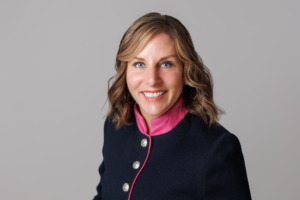
Ms. Carmella Steinke
Chief Executive Officer, Health Quality Alberta (Canada)

Dr. Orla Healy
National Clinical Lead, National Quality and Patient Safety Office of HSE (Ireland)

Mrs. Vibeke Rischel
Deputy CEO and Head of Healthcare Improvement, Danish Society for Patient Safety – PS! (Denmark)

Prof. Kris Vanhaecht
Quality and Patient Safety research group, Leuven Institute for Healthcare Policy (LIGB), KU Leuven; quality policy, UZ Leuven (Belgium)
WORKFORCE WELLBEING AND EMPOWERMENT
Workforce wellbeing and safety as key pillar of resilient healthcare systems
The interests of patients and healthcare professionals are intrinsically linked: a fatigued, demoralised or unsupported professional is a less safe one, and a professional who cannot speak up cannot contribute to safer care. After two and a half decades of asking individuals to be more vigilant in conditions of chronic understaffing, fatigue, aggression and second-victim trauma, the limits of that approach are now visible across European healthcare.
The EUPSF Strategy 2026–2030 calls for the wellbeing of healthcare professionals to be treated as a core determinant of patient safety in every hospital strategy, supported by the European, institutional and professional policies, frameworks and structures that turn protection into practice.
The session will explore four levers for protecting HCP wellbeing in practice — political, occupational, institutional and professional — and asks how these levers, today often operating in parallel, could be made to work together, on a panel-discussion mode.
Speakers
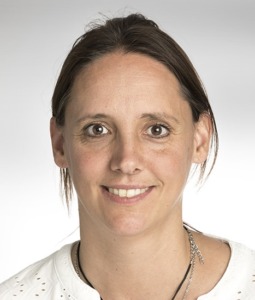
Dr. Eva Potura
Head of the Department for Quality Assurance and Patient Safety at the Austrian National Public Health Institute (GÖG) and Chair of the Austrian Second Victim Association (Austria)
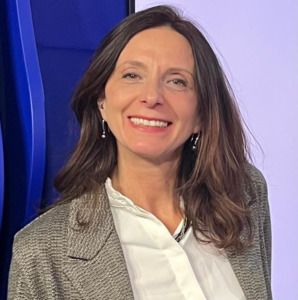
Dr. Alessandra Spedicato
European Federation of Salaried Doctors – FEMS (Italy)
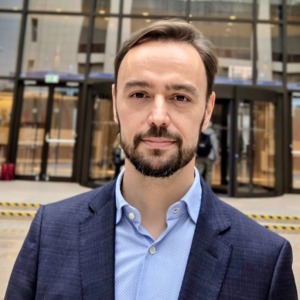
Mr. Bogdan Deleanu
Brussels Liaison Manager, European Agency for Safety and Health at Work – EU-OSHA (Belgium)

Mr. Josh Cobb (UK)
European Biosafety Network (EBN)
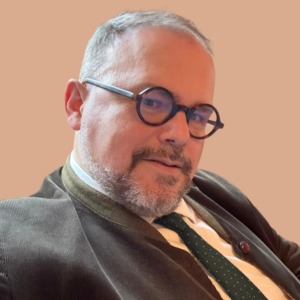
Prof. Dr. Theodoros Koutroubas
Professor, UCLouvain; Director and Senior Policy Adviser, European Nursing Council – ENC; Director General and Senior Policy Adviser, European Council of the Liberal Professions – CEPLIS (Greece)
BUTTERFLY IMPACT AWARD 2026
Small Actions, Big Changes in Patient Safety
For the 2026 edition of the European Patient Safety Conference organised by EUPSF, we are proud to introduce the third edition of the Butterfly Impact Award: Small actions, Big Changes in Patient Safety, aimed at recognising outstanding contributions to patient safety.
Award objectives
- To recognise the benefits of implemented innovative practices with evidence-based impact on patient safety
- To demonstrate that technology is not always needed and that patient safety can also be impacted by no-tech or low-tech approaches
- To promote exchange and mutual learning around those initiatives/projects
Three finalists will be invited to present their projects (5-7 min max). The audience will decide about the ranking through the interactive voting at the end of the session.
Submission is now closed (deadline was 15 September 2026 23:59 CET)
Moderators
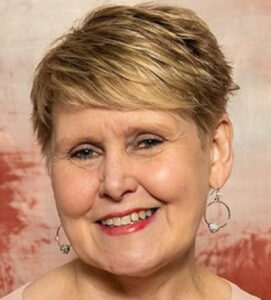
Mrs. Penilla Gunther
Past-President, European Patient Safety Foundation (Sweden)

Mr. Pedro Vieira dos Santos
Vice-President, European Patient Safety Foundation (Portugal)

INNOVATION
Closing the distance between the potential of innovation and delivered patient outcome
Many evidence-based patient safety practices and proven innovations already exist; the challenge today is no longer to generate new knowledge but to ensure that safe and effective innovations actually reach the bedside, deliver their full potential and do not introduce new risks along the way. Across European healthcare, the distance between an innovation cleared for the market, an innovation safely implemented in a hospital, and an innovation actually used to improve patient outcomes remains substantial — and the EU regulatory environment for medical devices is itself in flux as the European Commission carries out its MDR/IVDR simplification work in 2026.
The EUPSF Strategy 2026–2030 calls for the safer adoption of innovation to become a shared responsibility across the European patient safety community, supported by the regulatory, institutional and professional commitments and practices that close that distance.
It then explores the question through four perspectives — each illuminating one segment of the gap between proven innovation and delivered patient outcome — on a panel-discussion mode.
Moderator

Ms. Kira Tosberg
Project Officer for Association Projects, Bundesverband Managed Care e.V. and EUPSF Individual Affiliate (Germany)
Speakers

Mrs. Flora Giorgio
Head of Unit, D3 Medical Devices, DG SANTE, European Commission (Belgium)
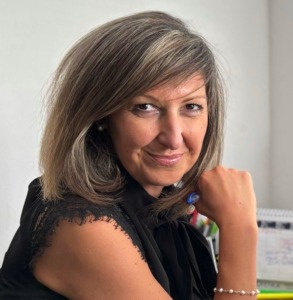
Ms. Viktória Ďurajová
Project Manager for Research, Development and Innovation, F.D. Roosevelt University General Hospital of Banská Bystrica (Slovakia)

Dr. Pedro Gambús
Anaesthesiologist, Hospital Clínic de Barcelona; Co-Founder & CEO, Predictheon (Spain)
Dr. Arnt Suckow
EUPSF President, Head of Quality, Risk Management & Internal Audit at TUM Klinikum Rechts der Isar, Munich (Germany)
Further speakers to be announced
FORESIGHT
From perception to prevention: Bridging European healthcare leaders’ perspectives with the insurer’s view of risk
Drawing on the findings of a prospective study conducted among healthcare executives and healthcare professionals across four European countries, this session will explore how those working within healthcare systems perceive today’s and tomorrow’s major risks.
These insights will then be compared with Relyens’ perspective as a specialist medical risk insurer, based on claims analysis, on-site risk assessments, and our understanding of the financial impact and cost of risk.
By confronting perceived risks with observed risks, the session will illustrate how insurers can contribute far beyond compensation. Through their unique understanding of risk trends, system vulnerabilities and the cost of adverse events, insurers can become key partners in helping healthcare organisations shift from reacting to incidents towards anticipating and preventing them.
Moderator

Mr. Stéphane Boulanger
Policy Advisor, European Patient Safety Foundation (Belgium)
Speaker

Dr. Georges Romero
Medical Director, Risk Management at Relyens (France)
LEARNING CULTURE AND LEADERSHIP
Building learning culture, from sector lessons to everyday practice
Healthcare has invested heavily in patient safety tools — incident reporting systems, root cause analysis, morbidity and mortality reviews, surgical checklists. Where the cultural conditions allow them to, they work. Where they do not, the same tools capture little, and best practices imported from elsewhere fail to take root. Without learning culture, even the best patient safety tools deliver little.
The EUPSF Strategy 2026–2030 calls for learning culture to become the foundation of patient safety in European healthcare, supported by the leadership choices, professional practices and infrastructure that make learning routine.
The session will explore four complementary perspectives on how learning culture is actually built in European healthcare — from cross-sector lessons to everyday leadership choices — on a panel-discussion mode
Moderator

Dr. Alexander Hoffelner
Department of Paediatrics and Adolescent Medicine, Division of Neonatology, Paediatric Intensive Care and Neuropaediatrics
Medical University of Vienna, Austria (Austria)
Speakers

Mrs. Anna Modos
EUPSF Individual Affiliate; Pilot and Human Factors Specialist (Czech Republic)
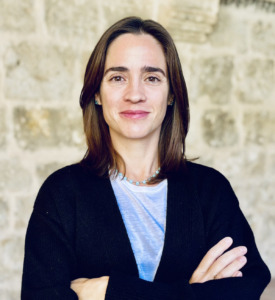
Dr. Paula Pérez Caballero
Consultant Anesthesiologist, Hospital Universitari i Politècnic La Fe, Valencia and Secretary of SENSAR – Spanish Reporting System for Patient Safety in Anesthesia and Intensive Care (Spain)
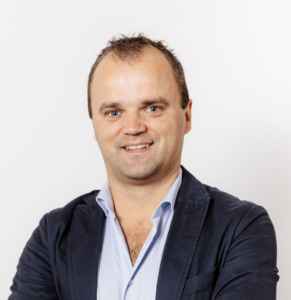
Mr. Dieter Vyt
Artevelde University of Applied Sciences; Board Member and Treasurer, Dutch Society for Simulation in Healthcare – DSSH
(Belgium)
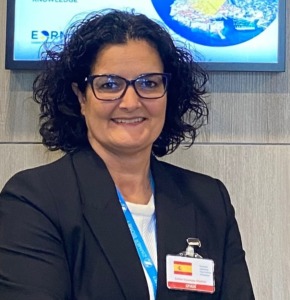
Ms. Esther Espuñes
President of the European Operating Room Nurses Association – EORNA (Spain)
Ms. Deirdra Taylor
National Joint Registry at Healthcare Quality Improvement Partnership (UK)
PATIENT AND FAMILY INVOLVEMENT
Making patients and their families real partners in safer care
The patient is the only person continuously present across their entire care pathway, and their information, attention and voice are among the most under-used resources in patient safety. The European Patients’ Forum Barometer on the involvement of patient organisations in health policy reveals fewer than half of European countries with a formal framework for patient involvement, and what does exist is too often consultation rather than partnership.
The EUPSF Strategy 2026–2030 calls for patient and family involvement to be recognised as a fundamental component of safe practice, supported by the tools, governance arrangements and post-harm support structures that move patients from being consulted to being full partners in safer care.
The session will explore four complementary perspectives on what it actually takes to move patient involvement from consultation to full partnership in European healthcare — from governance to the bedside to the moment after harm — on a panel-discussion mode.
Moderator

Mrs. Panagiota Tsikala
EUPSF Individual Affiliate
Austria
Speakers

Dr. Tiago Villanueva
President, European Union of General Practitioners (UEMO)
Portugal

Ms. Anna Teufel
Health Expert, Department for Quality Assurance and Patient Safety, Austrian National Public Health Institute (GÖG)
Austria
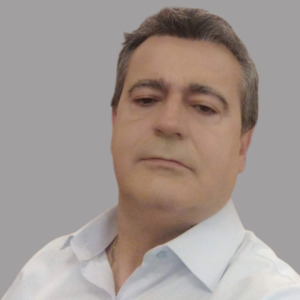
Mr. Konstantinos Chortis
President, The Panhellenic Heart Disease Association
Greece

Mrs. Michelle Bayona
Lines Vermächtnis (Lines Legacy)
Germany

Prof. Dr. Ehrenfried Schindler
Head of the Section for Paediatric Anaesthesiology, University Hospital Bonn
Germany
PREPAREDNESS
Patient Safety Under Fire: From Emergency Response to a Resilient Healthcare System
– The UNBROKEN Experience
– The UNBROKEN Experience
Building on shared insights from stakeholders active in the Ukrainian healthcare system since the start of the conflict, this lecture explores what it takes to keep healthcare safe and functioning under extreme conditions — and what those experiences teach the rest of European healthcare about preparing for shocks that are themselves predictable but highly disruptive: heatwaves, energy crises, supply disruptions, cyber-attacks.
Where Ukrainian healthcare had no choice but to react under extreme conditions, the rest of Europe still has the chance to prepare proactively — a chance that must be taken urgently, drawing on the lessons learned in Ukraine. The capacity to anticipate, absorb and recover from shocks is itself part of what patient safety means.
Moderator

Mrs. Martina Antošová
President, Práve Preto civic association (Slovakia)
Speakers

Ms. Mariana Svirchuk
Director of Development and Investment Engagement at the First Clinical Territorial Medical Union of Lviv and Director of the School of Medicine at UNBROKEN University (Ukraine)
Dr. Dmytro Helyuta
Medical Director,First Clinical Territorial Medical Union of Lviv – UNBROKEN (Ukraine)
CLOSING DISCUSSION
From Strategy to Implementation: What’s next?
Over the course of the day, the five priorities of the EUPSF Strategy 2026–2030 have been unpacked through the experience of those who carry them in the field. Their messages converge on a single conviction: that demonstrated change in one care setting, one team, one organisation, one country is what creates the conditions for change everywhere else — through emulation among peers, and through the political weight it gives policy-makers to act. The closing panel brings EUPSF Board members together to set out their own perspectives on what it will take to turn the Strategy from a document into a programme of work shared across Europe over 2026–2030, and on the role EUPSF can play to support the patient safety community in carrying it forward.
Moderator
Mrs. Mirka Čikkelová
General Secretary | EUPSF
Belgium
Speakers
Dr. Arnt Suckow
President, European Patient Safety Foundation (Germany)
Mr. Pedro Vieira dos Santos
Vice-President, European Patient Safety Foundation (Portugal)
Mrs. Penilla Gunther
Past-President, European Patient Safety Foundation (Sweden)
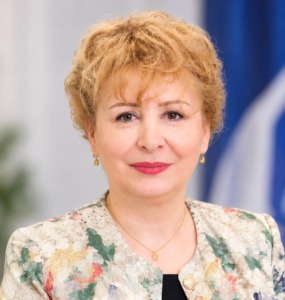
Mrs. Doina Carmen Mazilu
Board Member, European Patient Safety Foundation (Romania)
Mr. Stéphane Boulanger
Policy Advisor, European Patient Safety Foundation (Belgium)
Trusted by
medical professionals industry leaders government representatives patients
PARTICIPATING ORGANIZATIONS






PARTNER LEVEL SPONSORS


STARTER LEVEL SPONSORS


We offer a variety of sponsorship opportunities. If you’re interested in supporting EUPSF 2026 Patient Safety Conference, please contact us at secretariat@eupsf.org for more information.